
Can RGB Drones & Machine Learning Be Used for Crop Health Analysis?
ere Machine Learning and RGB drone data for plant health? GeoWing Academy decided to take a look at how effective using a custom built machine learning pipeline and RGB derived plant health indices for crop health analysis. The results are SUPER interesting!
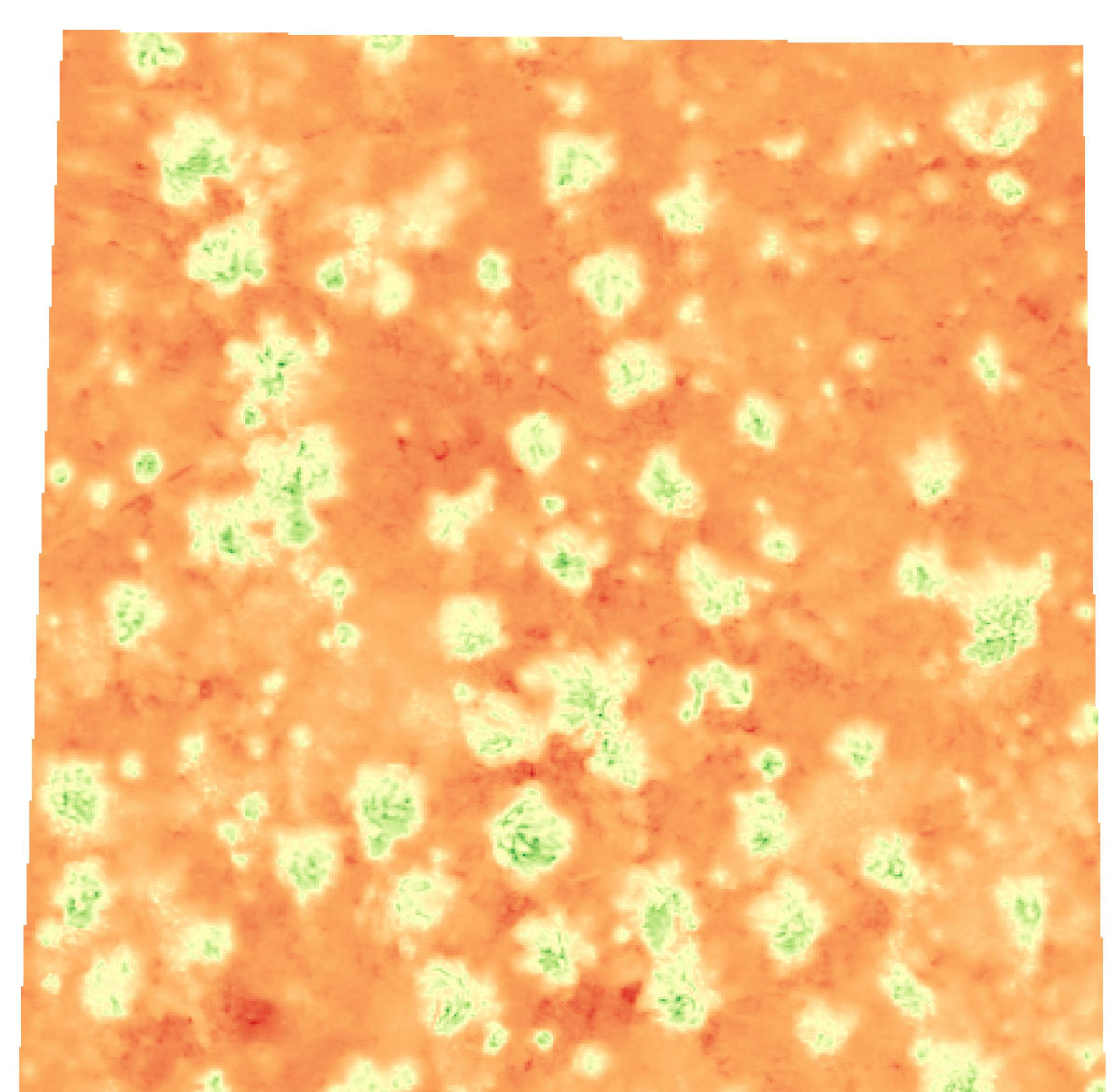
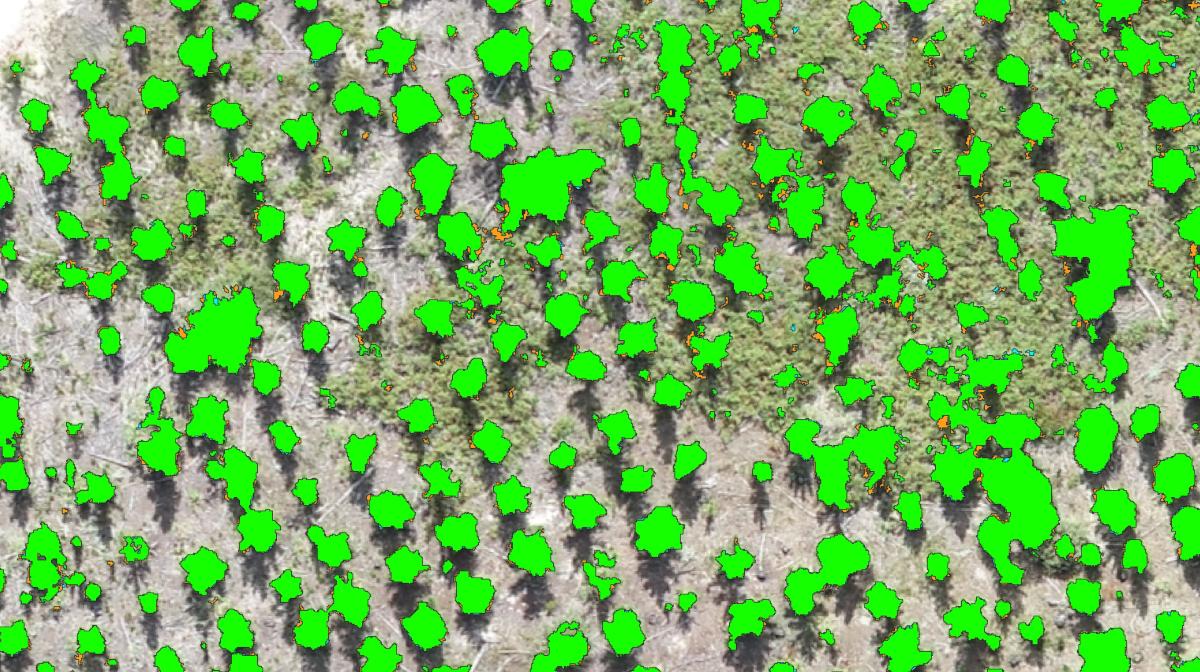
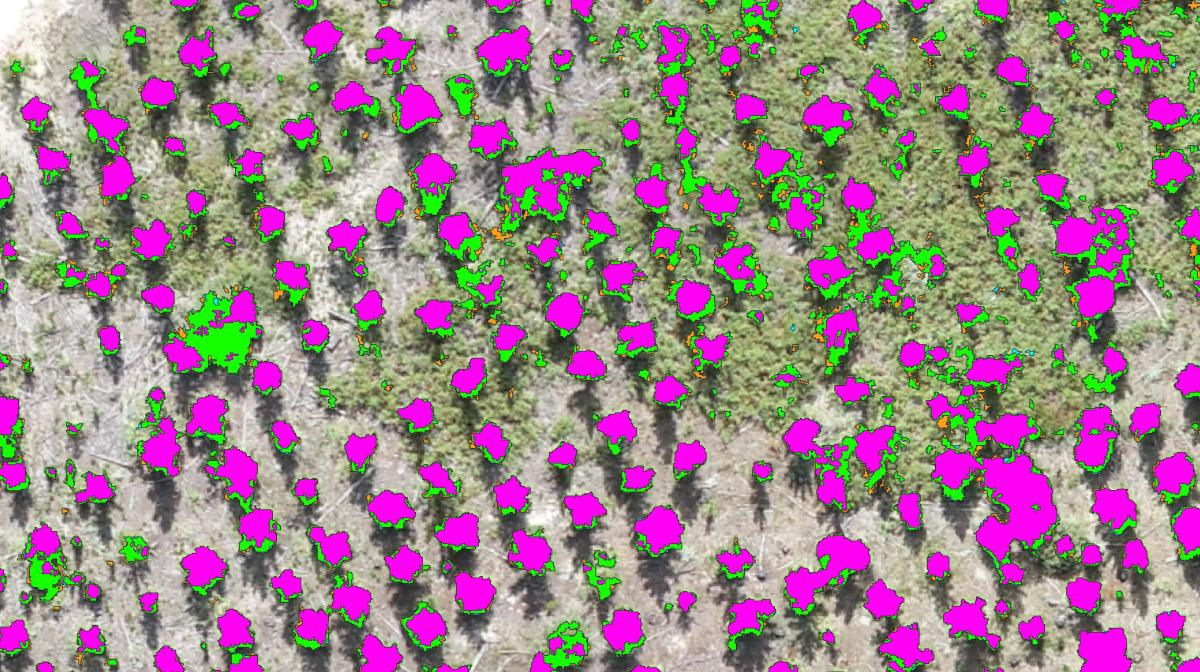
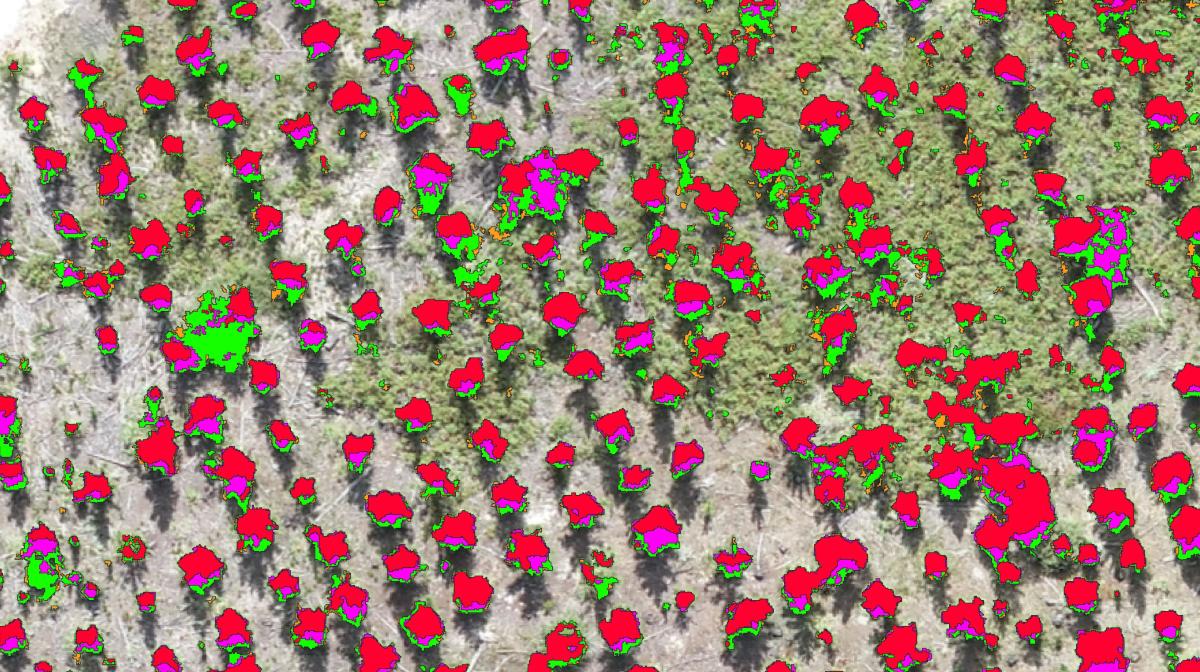
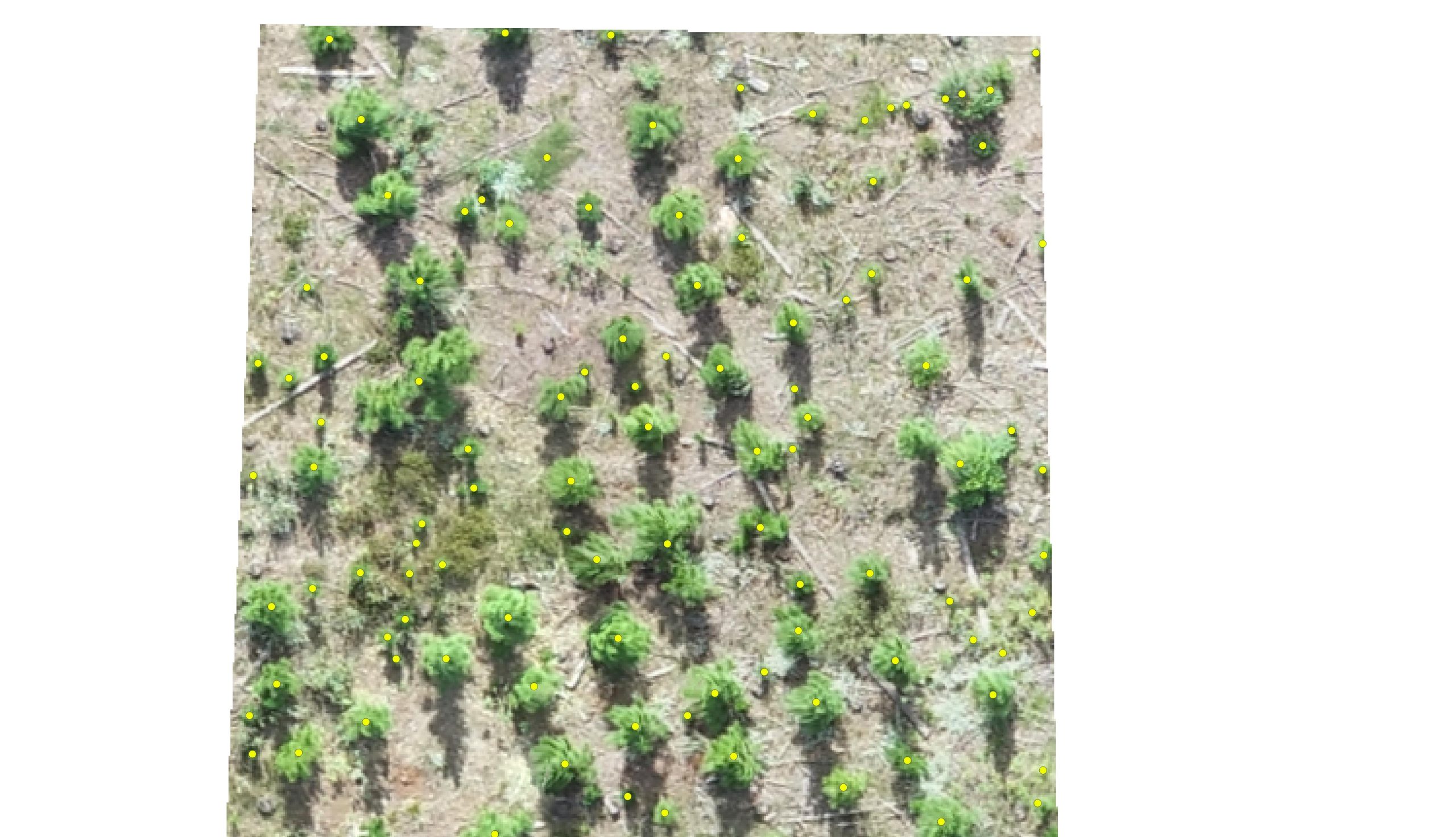
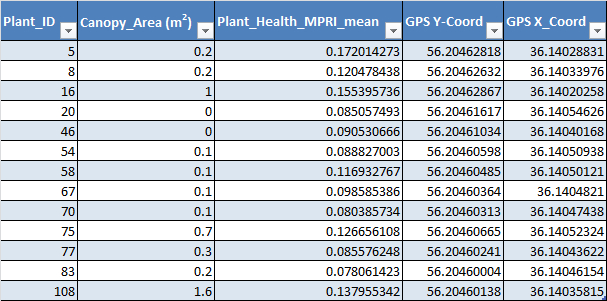
A strawberry patch became the unwilling test subject for this experiment and two data sets where captured; one set on a cloudy day and one set on a sunny day. The machine algorithm was trained to find each strawberry within the patch and then compute each individual plants Modified Photochemical Reflectance Index (MPRI) value.
The MPR Index is an RGB-based vegetation index that compares green and red reflectance to estimate plant health. It produces higher values where plants reflect more green and absorb more red — a common sign of healthy, photosynthetically active vegetation. Higher MPRI values indicate more green reflectance relative to red, which often corresponds to healthier vegetation (since healthy plants reflect more green and absorb more red due to chlorophyll activity). Lower MPRI values suggest more red reflectance relative to green, which can indicate stressed or sparse vegetation, or non-vegetated surfaces.
The overcast scan MPRI statistic mean of 0.087 indicates that the plants in the patch were moderately healthy which ties in well with the ground truth evaluation done by the farmer. The patch was then subject to cleaning (all dead and dying strawberry leaves removed) between the two scan dates, the next scan being conducted on a sunny day. The sunny day scan bore some very interesting result indeed!!
This index will not be as rigid as multispectral imagery and will only display surface (visual) health differences but it certainly has its place for crop management where time and money are a factor of production. So can it be a useful tool? Find out in GeoWing Academies latest vlog: